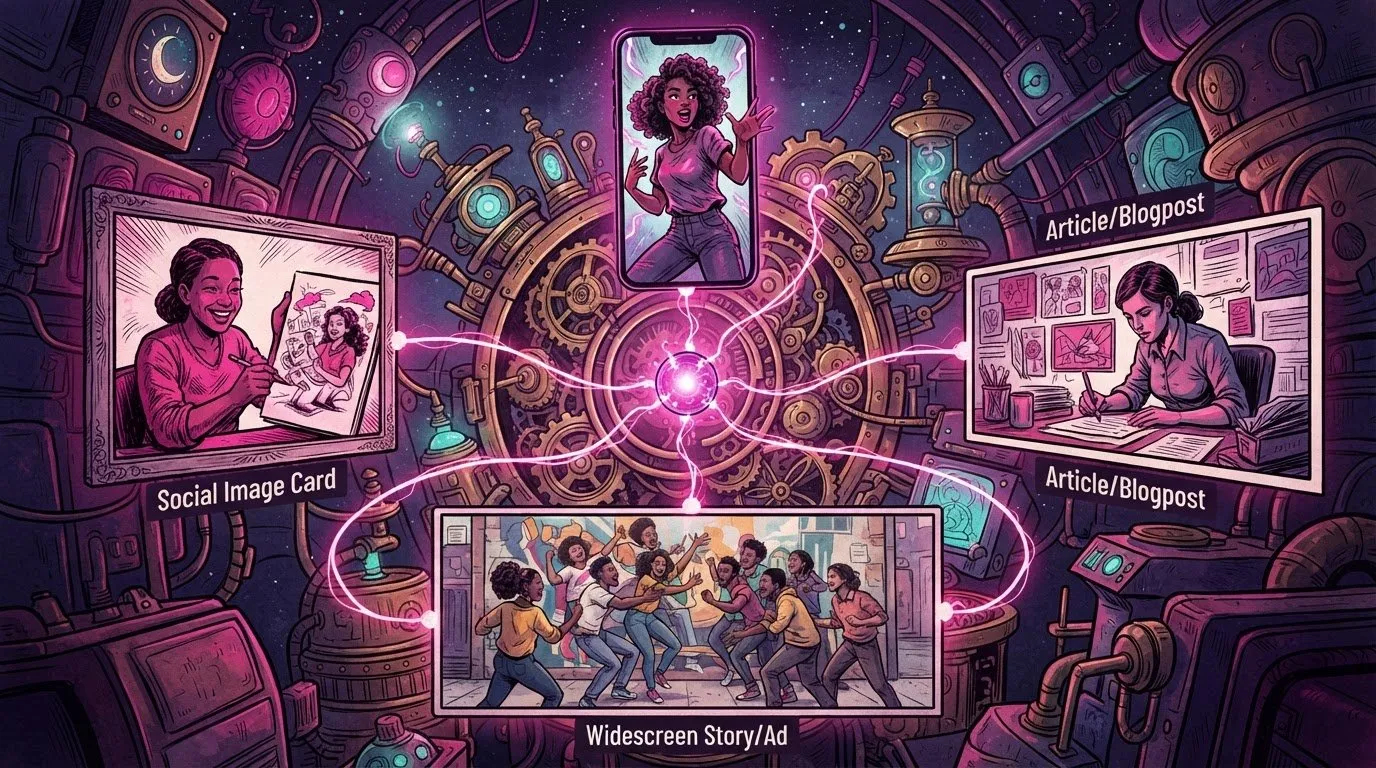
Posting the same asset everywhere is not a multi-platform strategy. Effective content creation for multi-platform campaigns starts with one clear message, then adapts it to each platform’s format and audience. Keep the brand recognisable, give creators room to work in their own style, and use each channel to guide people to useful content elsewhere in the campaign.
Repeating a post can feel efficient: the campaign stays active without creating everything from scratch. But each platform has its own habits and strengths, so a direct copy may miss the mark. A shared message provides consistency; thoughtful edits help each post fit its channel.
This guide explains how to match creators to campaign goals, adapt content to platform culture, and keep the brand consistent without making every post identical. It also covers practical ways to cross-promote campaign materials, so each channel supports the others rather than operating in isolation.
Key Takeaways
- Set clear campaign goals first, then choose creators based on their strengths and platform-specific performance.
- Keep the core message and brand cues consistent while giving creators room to adapt their delivery.
- Shape each asset for the platform’s audience, format, and role rather than reposting the same content unchanged.
- Cross-promote campaign materials with a clear next step so each channel can guide people to useful content elsewhere.
- Choose channels around your audience and available resources, then use campaign results to refine the plan.
Table of Contents
- 1. Balancing brand consistency with creator freedom
- 3. Matching creator strengths to campaign goals and platform roles
- 4. Adapting content to platform culture and formats
- 5. Cross-promoting content across social channels
- 5. How do you plan a content strategy for multiple platforms?
- Fismbot - Grow your business: AI social content and email tools, plus expert support for marketing, websites and technology that just works: Social media strategy bundle
1. Balancing brand consistency with creator freedom
A campaign needs recognisable cues across every channel. Set the core message, brand colours, fonts, and approved product details before drafting posts. For example, a garden centre promoting a spring planting range can use the same offer and visual palette across Instagram, LinkedIn, and email. Creators can then shape the presentation for their audiences.
Separate fixed rules from creative choices in the brief. Fixed rules include the campaign goal, key claims, product names, and required wording. Creative choices include the opening line, scene, format, and personal point of view. This boundary protects accuracy without requiring every creator to produce identical material.
A clear brief makes those boundaries practical. Describe the audience, the action you want them to take, and the message they should remember. Add a few visual references, such as approved colours, logo files, and examples of past posts. Mark any claims or phrases creators must keep unchanged.
Give creators room to interpret the idea through their strengths. A baker might show a recipe coming together, while a consultant might explain the same service through a client problem. Both can preserve the campaign promise while using different settings, language, and pacing. The shared message connects their work; the execution keeps it distinct.
Review for consistency, not uniformity. Check each draft against the brief: does it state the same offer, use the correct brand assets, and lead to the intended action? Then make sure the creator’s voice still feels natural. If a post sounds scripted, revise the wording rather than stripping out every personal detail.
For example, a reusable water bottle campaign might focus on carrying water during a commute. One creator could film a bag-packing routine; another could share a desk setup. Keep the product name, benefit, and visual identity consistent. Let each creator choose a scene and phrasing suited to their audience.
Keep feedback specific. Replace “make it more on-brand” with a clear edit, such as “use the approved blue background” or “keep the opening focused on refill convenience.” Specific notes reduce guesswork and preserve useful creative choices. A brand tone of voice guide can also help translate abstract preferences into practical writing cues.
In content creation for multi-platform campaigns, consistency comes from shared rules, not identical posts. Record the message, visual standards, and approval criteria in one brief. Creators can then adapt each asset while keeping the campaign recognisable across channels.
3. Matching creator strengths to campaign goals and platform roles
Choose the campaign goal before choosing creators. A launch might aim to build product awareness, while a service campaign might seek enquiries. The goal determines what each creator needs to communicate and what the team should measure. Set campaign KPIs before launch so every platform has a clear role.
Use SMART goals: Specific, Measurable, Achievable, Relevant, and Time-bound. For example, a local clinic could aim to increase appointment enquiries through social content during a defined campaign period. Measures might include enquiry actions and relevant engagement. These criteria help distinguish a useful result from a post that simply attracted attention.
Match creators’ strengths to the work required. A creator who explains practical details clearly may suit a product education campaign. Someone who fosters community conversations may fit a campaign designed to encourage discussion. Review platform-specific performance, not follower count alone. A large audience does not show whether a creator’s content prompts the action your campaign needs.
Give each platform a defined role. Facebook and Instagram can help attract consumers and support community engagement. For example, a campaign might use Instagram for visual product demonstrations, then Facebook posts to continue discussion and answer common questions. The message stays aligned while creators use formats and language suited to each platform.
The Centers for Disease Control and Prevention recommends considering organizational goals and resources alongside a platform’s purpose, audience, and analytics. The U.S. Environmental Protection Agency advises planning channels around when and where the audience can receive and act on a message. For a home repair service, that could mean prioritising practical content where homeowners already look for project ideas.
How much does multi-platform content creation and campaign management cost in the United States? Costs depend on creator fees, content production, channel count, and management scope. Define your needs first, then compare proposals against the work and campaign goals they cover.
Common risks include choosing creators by follower count alone, setting vague goals, and using the same execution everywhere. These mistakes make performance harder to interpret. Set a KPI for each channel, match creators to the task, and assess engagement separately from conversion actions.
Before launch, give each creator a short assignment covering the audience, campaign goal, platform role, key message, and desired action. A creator making an Instagram demonstration might show a product in use. Another might answer a common customer concern in a Facebook post. Both assignments support the same campaign, but each has a distinct job.
After publishing, compare results with the original KPIs. If a creator generates discussion but few enquiries, keep that work in an engagement role rather than judging it by conversions alone. This gives the next campaign a clearer basis for assigning creators, content, and channel effort.
4. Adapting content to platform culture and formats
Start with one campaign idea, then rebuild each asset for its channel. A short video, LinkedIn post, and blog article can share a message without sharing a script. For a gardening brand, the core idea might be easier seed starting. TikTok could show the process, while a blog explains each step.
TikTok and YouTube suit visual storytelling and younger audiences. Use a clear opening, visible action, and spoken explanation where helpful. A seed-starting video could show soil preparation, planting, and watering. Keep captions useful for viewers watching without sound. Don’t simply crop a long explainer and assume it will work as a short clip.
Instagram also supports visual storytelling. Choose a photo sequence or short demonstration when the product needs to be seen in use. For example, a cookware campaign could show one meal from preparation to serving. Keep the central benefit clear in the caption, and give each image a purpose.
LinkedIn calls for a different approach. A business audience may value a practical lesson, a concise case example, or a clear point of view. A gardening supplier could explain how landscapers choose plants for shaded sites. Keep the campaign’s core message, but replace consumer-focused phrasing with details relevant to professional readers.
Medium and company blogs suit longer explanations and thought leadership. Expand a campaign’s main claim with context, useful instructions, or answers to likely questions. A short social post might introduce a planting problem; the blog can explain the process and common errors. Make the connection clear so readers understand how the longer piece helps.
Adapt the structure, not the promise. A video call to action might invite viewers to save a demonstration. A blog can guide readers to a relevant service page. A LinkedIn post might invite discussion. Each action should fit the channel and campaign goal while pointing towards the same next step.
Before publishing, review each asset for its platform. Check the crop, caption length, opening, links, and accessibility. For example, preview an Instagram image on a phone, then read its caption without the visual. If the message is unclear, add context rather than relying on the image alone.
Copyright, disclosure, and platform rules depend on the asset, relationship, and channel. Use original or licensed material, clearly disclose paid partnerships, and review each platform’s current branded-content and music rules before publishing.
Keep a simple adaptation sheet for each campaign. Record the core message, each platform’s format, its audience, and the action required. A campaign asset plan for every channel can help turn one brief into platform-ready drafts without making every version identical.
5. Cross-promoting content across social channels
Cross-promotion works best when each channel offers a useful next step. A LinkedIn post can introduce a practical idea and direct interested readers to a detailed article. An Instagram story can highlight a point from that article and guide viewers to the full resource. The material connects, but each post still earns its place.
Plan the route before publishing. Choose the main resource, then decide which channels can introduce, explain, or extend it. For a gardening campaign, an Instagram reel might show seed planting, while a Facebook post answers a common care question. Both can lead to a fuller planting guide on the business website.
Make each handoff specific. Replace “learn more” with a clear description, such as “See the full guide to starting seeds indoors.” Match the invitation to the destination. If a LinkedIn post promises a checklist, link to that checklist, not a general homepage. A relevant destination helps people continue without guessing.
Give each channel a different supporting role. A short post can surface one useful point. A longer article can explain the process. A follow-up post can answer an objection raised in comments. For example, a local gym could share a beginner exercise tip, link to a longer routine, then address equipment questions in a later post.
Space out related posts instead of publishing identical messages together. A sequence gives each asset room to reach people and keeps the campaign from feeling repetitive. Adapt the opening, image, and call to action for each channel. Keep the destination and core campaign idea consistent so the journey feels connected.
Track the handoffs. Compare engagement on the introductory post with clicks to the destination and actions taken there. Use platform analytics and tagged campaign links to distinguish traffic sources. If a post gets reactions but few visits, make its invitation clearer. If visitors arrive but leave quickly, check that the destination matches the promise.
Hardeep Chawla claims multi-channel campaigns generate 347% higher ROI than single-channel approaches. Treat that figure as a reported claim, not a forecast for every campaign. The practical lesson is to connect channels around a clear goal, then measure whether people take the next intended action.
After the campaign, record which channel introduced the resource, which drove visits, and which prompted follow-up actions. A brief campaign note can capture the post, destination, audience response, and next adjustment. That record helps teams reuse effective routes without repeating the same execution.
5. How do you plan a content strategy for multiple platforms?
Start with the business goal, not the channel list. A neighbourhood café might want more weekday lunch visits. A consultancy might need more relevant enquiry calls. Write the intended audience and action in plain language. That decision guides which platforms deserve time and which content supports the campaign.
Next, review each channel’s purpose, audience, and available analytics. The Centers for Disease Control and Prevention recommends weighing those factors alongside organizational goals and resources. A small team with limited review time should choose channels it can maintain. A platform with no useful posts or audience attention adds work without a clear role.
Plan around audience context, too. The U.S. Environmental Protection Agency advises considering when and where people can receive and act on a message. A local garden centre might share planting advice when customers are planning outdoor projects. A professional service could publish a useful checklist when its audience is preparing for a common business task.
Set 3-4 content pillars, as Nayab Matloob recommends, to keep planning focused. For a garden centre, these might cover seasonal advice, plant care, product use, and customer questions. Each pillar gives the team a repeatable subject. The channel determines the format, while the pillar keeps the content tied to the wider strategy.
Build a simple planning sheet with one row per planned asset. Record its goal, audience, pillar, platform, format, owner, and review status. For example, a plant-care tip could become an Instagram demonstration and a longer blog explanation. Add the intended action for each version, such as saving the post or reading the guide.
Check capacity before committing to a schedule. List who drafts, reviews, approves, and publishes each asset. If one person handles every step, reduce the number of formats or channels. A workable plan accounts for production and approval time, not just posting frequency. A draft calendar nobody can maintain is not a strategy.
Choose measures that match each platform’s role. A guide designed to bring readers to a website needs visits and useful follow-on actions. A community post may be judged by relevant replies. Review results against the goal, then adjust subjects, formats, or channels. Don’t treat every reaction as evidence of business impact.
Close each planning cycle by recording what the team learned. Note which pillar earned useful responses, which format was easy to produce, and where readers took action. Those observations can shape the next campaign brief. For practical support turning a plan into a repeatable workflow, See how we can help.
Fismbot - Grow your business: AI social content and email tools, plus expert support for marketing, websites and technology that just works: Social media strategy bundle
Fismbot, “Grow your business: AI social content and email tools, plus expert support for marketing, websites and technology that just works,” offers a social media strategy bundle for businesses that need a workable campaign plan. Use it to set channel roles, shape content around campaign goals, and create a clearer routine for publishing and review.
A social media scheduler can help organise approved posts, while an email marketing workflow automation platform can support follow-ups to your own list. These tools can help when the plan is clear but drafting, scheduling, or staying in touch keeps slipping down the task list. Your team still sets the direction and reviews what goes out.
For help applying a multi-platform plan to your marketing, contact Fismbot or visit fismbot.com.
Make the next campaign easier to run
Use your next campaign to test the working process. Choose one audience, one clear action, and channels your team can maintain. Note what takes too long, where approvals stall, and which handoffs confuse readers. Use those details to improve the next brief.
Good content creation for multi-platform campaigns is repeatable without becoming mechanical. Keep decisions that require human judgement close to the people who know the business. Make routine drafting, review, and publishing easier to manage. The aim is a process your team can keep using, not a calendar that looks impressive and goes untouched.
If you want practical support shaping that process around your marketing work, See how we can help. Start with the part that is currently hardest to keep moving, and build from there.
Frequently Asked Questions
What content formats and specifications does each major platform require?
Most channels support combinations of text, still images, and video, but exact upload limits can change. Keep a production checklist for each platform and verify current requirements in its publishing interface before export. Also review practical details that affect readability: text contrast, subtitle placement, audio clarity, and whether important visuals remain visible after cropping. Save a clean master file so you can make platform-specific exports without losing quality.
How do you maintain consistent branding across platforms while tailoring content?
Use a version-controlled source file for approved names, product details, offer terms, and campaign dates. Assign one person to update it when facts change, then tell contributors which version is current. For example, if a promotion’s end date moves, update every scheduled draft before publication. This reduces mismatched details across posts without requiring every channel to use the same wording or presentation.
What tools help create, schedule, and manage multi-platform campaigns?
Choose tools by workflow task: a writing space for drafts, shared storage for approved assets, a review board for feedback, and a scheduler for publication. Keep ownership clear by assigning each draft to someone and marking its review status. A small team can use simple tools it already understands. Add specialist software only when a recurring task, such as scheduling or approval tracking, remains difficult to manage.
How do you measure and compare campaign performance across platforms?
Compare like with like. Raw totals can favour a channel with a larger audience, so record the denominator behind each result, such as impressions or visits. Separate campaign activity from unrelated posts, and note changes that could affect interpretation, such as a delayed launch or overlapping promotion. When a channel produces leads, review their relevance as well as their volume. This helps distinguish useful attention from activity that does not fit the business goal.
What are the steps for repurposing content across multiple platforms?
Start with a source containing reusable information, such as a product demonstration or customer support answer. Confirm the details are still accurate, then select one idea that can stand alone. Draft a fresh version for its intended audience instead of copying the source verbatim. Note the original asset and any edits made. That record helps the team update related pieces if the source information changes.
How much does multi-platform content creation and campaign management cost in the United States?
Costs depend on creator fees, content production, the number of channels, and management scope. Define your needs first, then compare proposals against the work and campaign goals they cover.